
Interactive Tool Try the Film Studio →
Call (610) 735-7064
Get an Instant Estimate
Mon to Fri · 9AM to 5PM
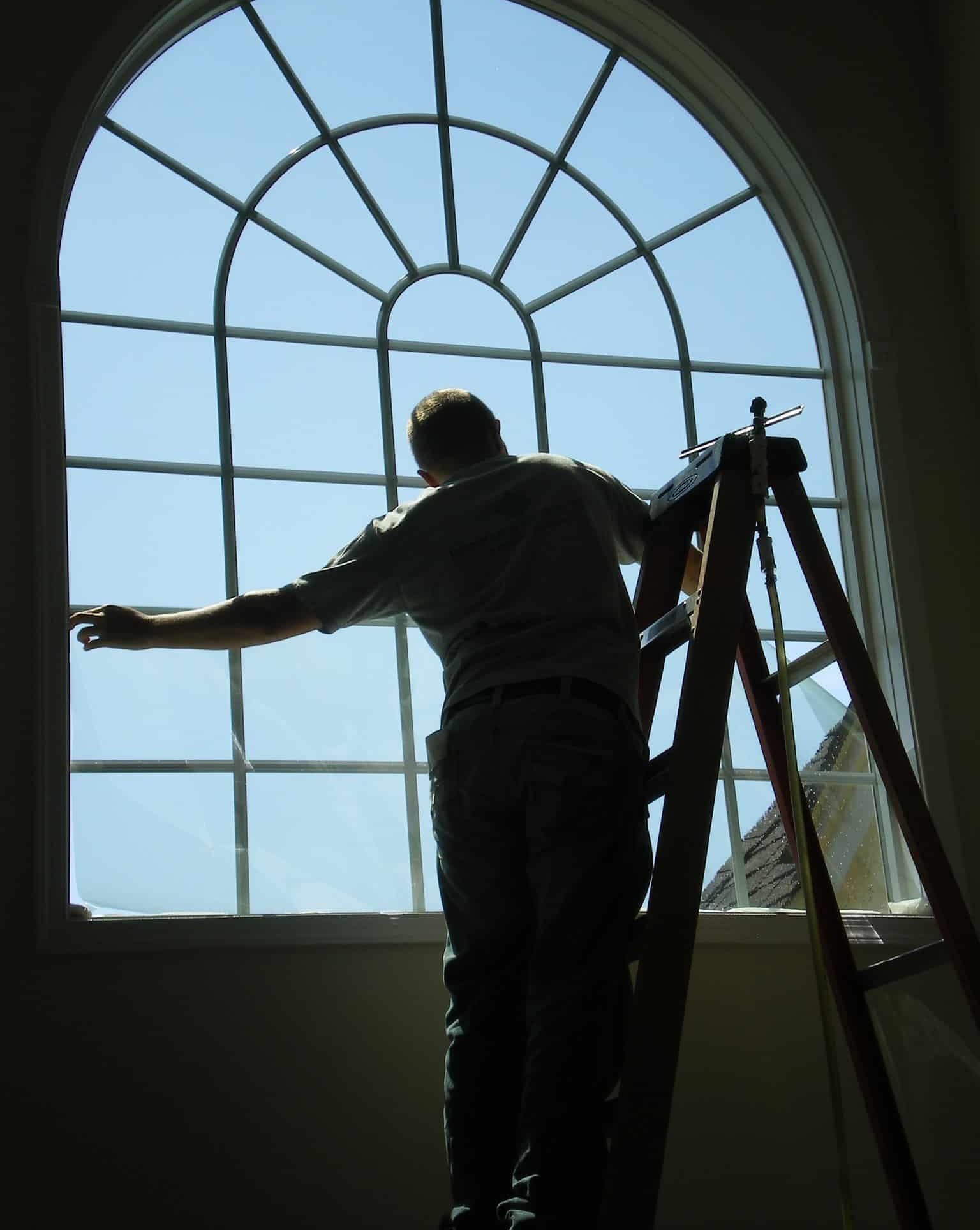
Office managers and building owners in King of Prussia reduce cooling-season energy expenses by limiting solar heat gain through large commercial...
It's 2:30 on a Wednesday afternoon in July. The west-facing conference room on the third floor of your King of Prussia office building is unusable. The blinds are drawn, the projector is fighting the sun, and three people have quietly relocated to a darker corner of the floor because their monitors are washed out. Your facilities inbox has two new complaints about the temperature near the windows. The HVAC is running hard, and it still isn't keeping up. This is not a facilities failure. It's a glass problem, and it's one of the most common issues we see in King of Prussia's commercial office corridors. The good news is that it's fixable without a construction project, a new HVAC unit, or window replacement. Professional window film installation addresses the heat, the glare, the UV damage, and the security exposure at the glass itself, which is where all of those problems actually start.
Yes, and the reduction is immediate. Solar control window film works by intercepting solar energy at the glass surface before it converts to heat inside the building. Quality professional-grade Solar Gard films used by Sun Control Specialists can reject up to 79% of solar energy, which directly reduces the cooling load your HVAC system is carrying on a hot August afternoon.
King of Prussia sits in a humid continental climate. Summer afternoons regularly push into the upper 80s and low 90s with humidity that compounds how heat feels on occupied office floors. West- and south-facing facades on the KOP corporate campus absorb radiant heat for hours. Without film, that energy passes through the glass and distributes across the floor plate. Workstations within ten to fifteen feet of the glass become noticeably hotter than the rest of the floor, and your rooftop HVAC units run longer to compensate.
Solar control film doesn't eliminate that heat load, but it cuts it substantially. For a multi-tenant building with significant glazing exposure on a south or west elevation, the difference shows up in utility costs within the first cooling season. The film works passively, every day, without maintenance or adjustment. There are no moving parts, no filter changes, no recalibration.
One practical step you can take today: walk your south and west elevations between 2 and 4 p.m. on a clear day. Note which floors and which rooms are generating heat complaints or driving up thermostat requests. That's your priority list for a film assessment. You don't need a full building audit to know where the problem is. Your tenants have already mapped it for you.
High-performance window films block more than 99% of ultraviolet radiation, and UV is the primary reason commercial interiors fade. This matters more than most property managers realize until they're looking at a carpet that's visibly lighter in the sun band near the windows than it is six feet back from the glass.
In open-plan offices with floor-to-ceiling glazing, the exposure is aggressive. Carpet fibers break down. Upholstered workstation panels lose color saturation. Wood veneers on conference tables and reception millwork develop a gray, washed-out tone. Printed signage and branded display materials near glass walls can show visible fading within two to three years of installation. For a Class A King of Prussia office building, that kind of interior degradation creates a real problem when leases come up for renewal and tenants are making decisions about whether the space still represents their brand.
UV-blocking film extends the service life of every interior finish near glass. It protects artwork, branded graphics, and the kind of high-end reception buildouts that tenants and owners invest significantly in. The film itself is nearly invisible in most solar control products. You're not darkening the space to protect it.
A second quick win: before your next tenant improvement project, inventory which new finishes will be installed within ten feet of exterior glass. If you're putting in new carpet, new upholstered panels, or wood veneer millwork in a space without UV protection on the glass, you're accelerating the depreciation of that investment from day one. Film applied before or immediately after buildout protects the finish from the start.
This is the question we hear most often, and the answer depends on selecting the right film for the specific glass and orientation. The wrong film fixes glare by making the glass too dark to see through, which trades one complaint for another. The right film reduces visible light transmission to a comfortable working range while preserving outward views and maintaining the exterior appearance your building's management standards require.
Interior blinds and roller shades are the traditional fallback, but they have a real cost. When blinds are closed to manage glare, the floor loses daylight, the view disappears, and employees report feeling more confined. Daylight and views aren't perks in modern office design; they affect how people feel and how long they stay. Blocking them entirely is a productivity trade-off that window film avoids.
A properly selected neutral or low-reflectance tint from Sun Control Specialists reduces glare at monitor level while keeping the window transparent enough to use. For south-facing glass, that might mean a film in the 35 to 50 percent visible light transmission range. For west-facing glass taking direct afternoon sun, something slightly more aggressive may be appropriate. The right specification depends on the glass makeup, the floor elevation, and how much natural light the space needs to retain. That's not a decision that should be made from a product sheet. It requires someone to look at the actual glass.
Third quick win: ask your IT or facilities team to log which workstation positions generate the most monitor-related complaints. That spatial data tells you exactly which elevations and floors need priority attention, and it gives you a documented record for the film specification conversation.
Security window film holds fractured glass in the frame after impact, which delays forced entry and reduces injury risk from flying shards. It doesn't make glass unbreakable. What it does is buy time and contain the hazard.
Ground-floor office suites and lobby glazing in King of Prussia's retail and mixed-use office parks are exposed to smash-and-grab risk, accidental vehicle impact, and the kind of wind-driven debris that southeastern Pennsylvania hail and storm events produce. Standard float glass, even tempered glass, fails quickly under impact and scatters. A properly installed security film bonds to the glass surface and holds the broken pieces together long enough to deter opportunistic entry and protect anyone near the window when it breaks.
Sun Control Specialists installs Solar Gard Armorcoat security film on commercial glass in King of Prussia and across Montgomery County. The installation process is the same as solar control film from a logistics standpoint, but the film construction is heavier and designed to maintain integrity under impact stress. For buildings with after-hours security concerns or significant public foot traffic at ground level, it's worth including in the film specification conversation even if heat and glare are the primary drivers.
Security film also pairs well with solar control film in dual-purpose applications. If you're already doing a film project on lower-floor glass, upgrading to a film with security properties on the most vulnerable panels is a straightforward add that doesn't require a second mobilization.
In most occupied office environments, professional window film installation is a single-day project per suite and does not require tenants to vacate. This is one of the more common concerns we hear from property managers, and it's reasonable. Tenants don't want their work disrupted. The landlord doesn't want to delay leases or trigger vacancy during a project.
Sun Control Specialists crews are experienced in working around active commercial schedules in the King of Prussia market. Film installation doesn't require furniture removal in most standard applications. The installer works at the glass surface. Most of the work is visible-light-side, and the primary tenant impact is temporary access restriction to the windows being treated.
Scheduling matters. Spring and fall installations benefit from moderate ambient temperatures that support optimal film adhesion, but professional-grade film products are installed year-round with proper technique. If you have a tenant moving into a newly built-out suite in August, don't wait until October to schedule the film. Coordinate the installation before move-in if possible, or schedule it early in the first occupied week before workstation setup is complete near the glass.
For large multi-floor projects in Class A buildings, phased installation by floor or elevation is standard. It keeps the project moving without concentrating disruption in any single area of the building for an extended period.
King of Prussia's commercial office market has specific conditions that make window film more relevant here than in many comparable suburban submarkets. The KOP corporate campus includes a high concentration of Class A office buildings with large glazing ratios, many of them built or renovated in the 1980s and 1990s with single-pane or older dual-pane glass that provides minimal inherent solar protection. Those buildings weren't designed around the solar loads they're now carrying, and HVAC systems that were sized for the original occupancy are running harder than they should.
The west-facing exposure along the Route 202 corridor and DeKalb Pike is particularly aggressive in the summer. Buildings that face the KOP Mall complex or the high-traffic commercial intersections around Henderson Road also deal with privacy and after-hours security considerations that aren't common in more isolated suburban campuses.
Sun Control Specialists has 27 years of experience serving the Montgomery County commercial market, including offices in King of Prussia, Norristown, Blue Bell, Plymouth Meeting, and surrounding areas. We know which building types present which film challenges, and we've worked on historic glass, modern curtain wall, and everything in between. Our service area covers the full southeastern Pennsylvania commercial corridor. If your building is in the KOP market and you're dealing with heat complaints, glare issues, or fading interiors, this isn't a novel problem. We've solved it in buildings that look like yours.
Sun Control Specialists is a Solar Gard authorized installer with 27 years of experience in southeastern Pennsylvania's commercial and residential markets. We're not a national franchise. We're a local operation that knows the buildings in this region, the glass they contain, and the problems their owners and managers deal with every summer.
We install solar control film, UV protection film, security film including Solar Gard Armorcoat, and decorative film for privacy zones, conference rooms, and branded interior glass. We also have experience on historic glass and estate properties where a conservative install protocol is required. Every project gets a site assessment before film selection, because the right film depends on the actual glass, the actual elevation, and the actual problem the space is having.
We work in Montgomery County, Chester County, Bucks County, Delaware County and selected Philadelphia neighborhoods. King of Prussia is a core part of our commercial service area, not a stretch assignment.
You can view completed projects in our gallery or read what building owners and property managers say about working with us on our reviews page.
Here's what matters: If your King of Prussia office building has heat complaints on west or south-facing floors, visible fading in furnished tenant spaces, glare problems at workstations, or ground-floor security exposure, professional window film addresses all of those issues at the glass. Solar Gard film installed by Sun Control Specialists cuts solar heat gain, blocks more than 99% of UV radiation, controls glare without sacrificing views, and can add security protection to vulnerable glazing, all without construction, tenant disruption, or window replacement.
Your next step: Request a free estimate from Sun Control Specialists or call (610) 735-7064. We'll assess your building's specific glass, elevation exposure, and occupancy conditions before recommending a film specification.
Most professional-grade solar control films carry manufacturer warranties of 10 to 15 years on commercial glass when properly installed. Solar Gard films installed by authorized dealers like Sun Control Specialists are backed by manufacturer warranty coverage. Actual service life in the field typically exceeds the warranty period in climate conditions like southeastern Pennsylvania's. Film performance doesn't degrade noticeably over the warranty period under normal conditions.
It depends on the film selected. Neutral and low-reflectance solar control films are designed to maintain a consistent exterior appearance that suits Class A office aesthetics. Some films are virtually undetectable from outside. Highly reflective films create a mirrored exterior look, which is appropriate for some building types but not universally suitable. Sun Control Specialists selects film specifications based on both performance requirements and exterior appearance standards. We'll show you representative samples and comparable installations before any film is ordered.
Yes, with important qualifications. Not every film is appropriate for every insulated glass unit. Some high-absorption films can create thermal stress in certain IGU configurations, which can cause seal failure over time. Professional film selection for dual-pane glass requires knowing the glass makeup, the spacer type, and the existing coating on the glass. This is one of the reasons a site assessment matters before film selection. Sun Control Specialists evaluates glass type as part of every commercial project specification.
Absolutely. Decorative window film is one of the most cost-effective ways to add privacy to conference room glass, interior partitions, and executive suite glazing without replacing the glass or installing permanent etching. Frosted and patterned films transmit light while blocking line-of-sight, which preserves the open feel of a floor plate. Custom graphic films can also carry brand elements. Sun Control Specialists applies decorative film to both exterior and interior commercial glass surfaces throughout the King of Prussia market.
In most standard commercial window film installations in Pennsylvania, no building permit is required because film application is a surface treatment, not a structural modification. However, buildings in certain historic districts, HOA-controlled commercial parks, or properties with specific lease restrictions on exterior modifications may have approval requirements. If your building has a management association, a building committee, or a landlord approval process for exterior changes, it's worth confirming before scheduling an installation. Sun Control Specialists can provide specification documentation and product data sheets to support any required approval submissions.